For pretty much my whole career as a lawyer I have been professionally safeguarding, trying to protect the erosion or damage to brand equity while exploiting some of the largest brands in the FMCG industry. These businesses are power houses, the best in what they do and create brands we as consumers use every day.
I would refer to myself as a FMCG lawyer. I’ve worked as a lawyer across Food & Refreshment, Personal Care, Household, Wine and Spirits at both Unilever and Pernod Ricard. Some of the brands I have had the pleasure to advise include PG Tips, Marmite, Flora, Hellmann’s Magnum, Walls, Domestos, Toni & Guy, Dove, Simple, Absolut, Malibu, Chivas, Perrier Jouet champagne, Jacobs Creek and Brancott Estate to name a few.
Not only do you get to share in these individual business units but there are giant legal cogs turning in the background as we advise also on the brand development, manufacturing and production of these explosive global products and they just keep coming.
I have also had my fair share of involvement in multi-million pound marketing campaigns from total 360s, television, above and below (through) the line, digital and out of home. There have been good times, like Absolut ‘Kiss with Pride’ a campaign which hopes for a better and more open world and the Dove ‘Self Esteem’ project There were bad times (I won’t go into them here). I’ve fought for a lot of these brands when challenged for example the Flora ‘Wrestlers’ campaign, Marmite ‘End the Neglect’ campaign and the Absolut ‘Kiss’ campaign.
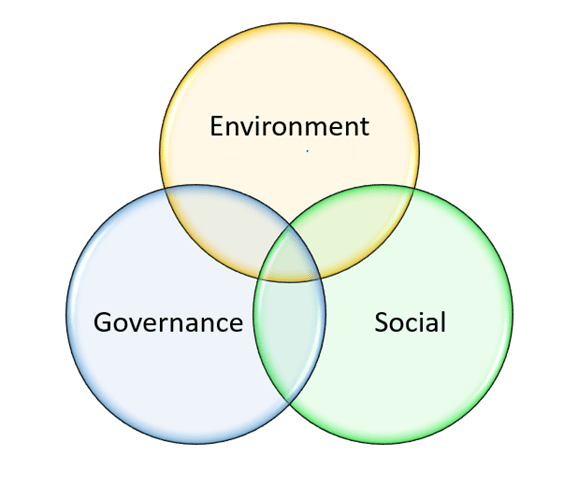
Below is a look at how a few brands that are leading ESG in many different forms and to illustrate just how much subject matter encompasses the ‘ESG’ umbrella. Don’t automatically think climate change.
Case study: Dove and Social Impact
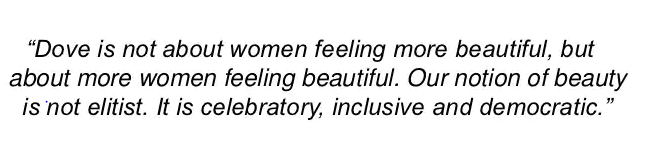
Owned by: Unilever
Value: $5.1 billion US dollars (2021)
Purposeful campaigns: Dove Self Esteem project and ‘Be Real’,
Since 2004 Dover have inherently been investing in the ‘good’ and building a brand with long term, consistent meaning and messaging. In doing so, Dove can boast having positively impacted over 20 million young lives across 139 countries worldwide and has become the biggest provider of self-esteem education of its kind and intends to keep going to reach another 20 million young people.
Brands such as Dove really allow its authenticity in doing ‘good’ to shine. There are so many brands right now jumping on ESG to create claims around sustainability and social impact without much legacy to call upon This threatens the longevity and ability to be trusted and authentic.
Estée Lauder

One of the most talked about partnerships of the last week has got to be that of Estée Lauder and Amanda Gorman. From both sides of the pond, the poet previously best known for her poem “The Hill We Climb” creates a new legacy; the first multi-dimensional partnership agreement and at the heart of it…. social impact. The good.
She replaces the role ‘Brand Ambassador’ as they are best known with ‘Change Maker’ for the next 3 years heading up Estée Lauder’s flagship brands. She has real depth beyond just ‘face’ and intends to challenge the corporate giant to ensure it’s pushing boundaries around CSR, starting with the launch of a set of grants worth $3 million to promote literacy among girls and women. She has an attitude like Greta Thunberg and is prepared to speak up about what needs to get done rather than wait to be told what to do. This deal while undisclosed how much Amanda Gorman will receive, it’s not about the money. This starts to make brand advocacy really interesting and exciting. It gives teeth to power houses and endorsements by third parties; one of the key reasons big brands look for ‘faces of’ or brand sponsors. I have no doubt Amanda Gorman will have Estée Lauder working hard and to not let her and all other aspiring young people down.
Behind the Brands; the remit of Environmental Social and Governance in FMCG
We can already see just through these few examples how power brands are talking to the categories used to calculated ESG ratings. But what about the internal cogs and the corporate company sitting in the background of these big named brands? ESG is not just about climate change and sustainability. It’s broad and touches upon so many areas of a business. Below are some top line themes defined by most ESG rating agencies. Within each category there are further sub-categories:
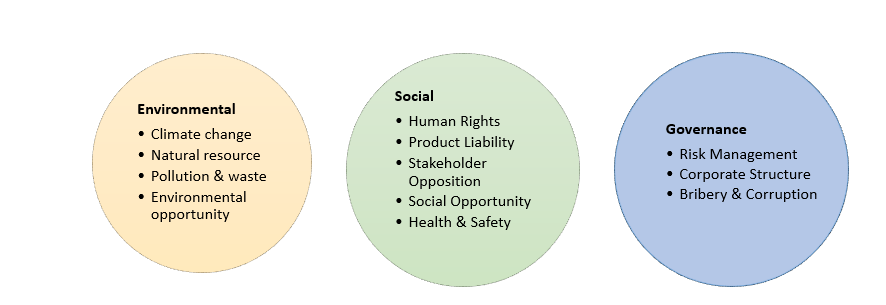
As you can see this ranges from a companies gender pay gap to modern slavery policy, to how much Executives are being paid and the big one; supply chain management. I really like how both Coca-Cola and Diageo have published compelling manifestos, bundling up all the above topics into one ESG report. These are sophisticated companies with ESG Boards and Committee members and they are pushing their corporate selves.
The supply chain management is really where companies can make the most progress in this space. There are FMCG companies using AI and blockchain technologies to track distributed supply chains, increase transparency, and mitigate ESG malpractice. Unilever launched a blockchain pilot to track and manage transactions across its tea supply chain, verifying 10,000 supply chain contracts. This digital led programme is also a tick box for the governance and compliance aspects, tracking large scale and complex supply chain contracts, know your customer.
“Unilever to Use Blockchain for Transparency and Traceability to Achieve Deforestation-Free Supply Chain by 2023“.

There are definitely lots of inspiring opportunities out there to enable companies to know so much more about their consumer goods, what they’re sourcing and from where with the press of one button. The end to end supply chain from upstream tea leaves or grain all the way down to these brilliant marketing campaigns really getting in front of the consumer to get their message across.
Let’s just not forget about the importance, to talk about and to shout about the back end, the big cogs that are turning in the background as we FMCG companies try to turn the tide and be the ‘good’.
 canyouhearme.blog